Skip to content
Endoscopic Stent Placement

Procedure

Endoscopic Stent Placement

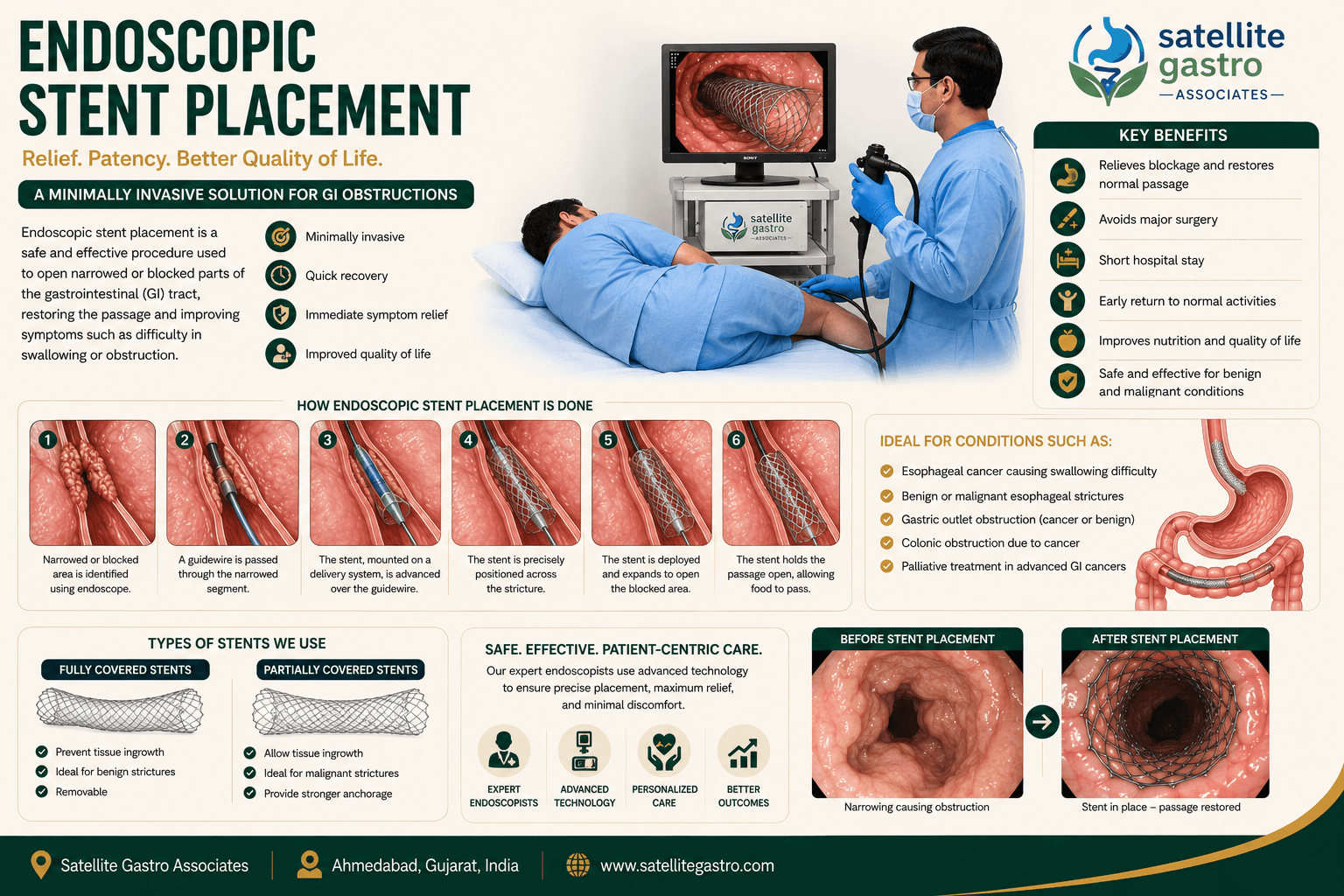
A stent is a small flexible tube placed endoscopically to relieve obstruction caused by tumour, stricture, or external compression. Restores swallowing, drainage, or bowel transit without surgery.

What is it?

Stents are deployed through an endoscope under fluoroscopic guidance. They expand to hold open the narrowed segment, allowing normal flow.

Different stents are used for the food pipe, bile duct, duodenum, and colon, each chosen for the specific anatomy and indication.
Who needs it?

  • Malignant obstruction of the food pipe (palliation of swallowing).
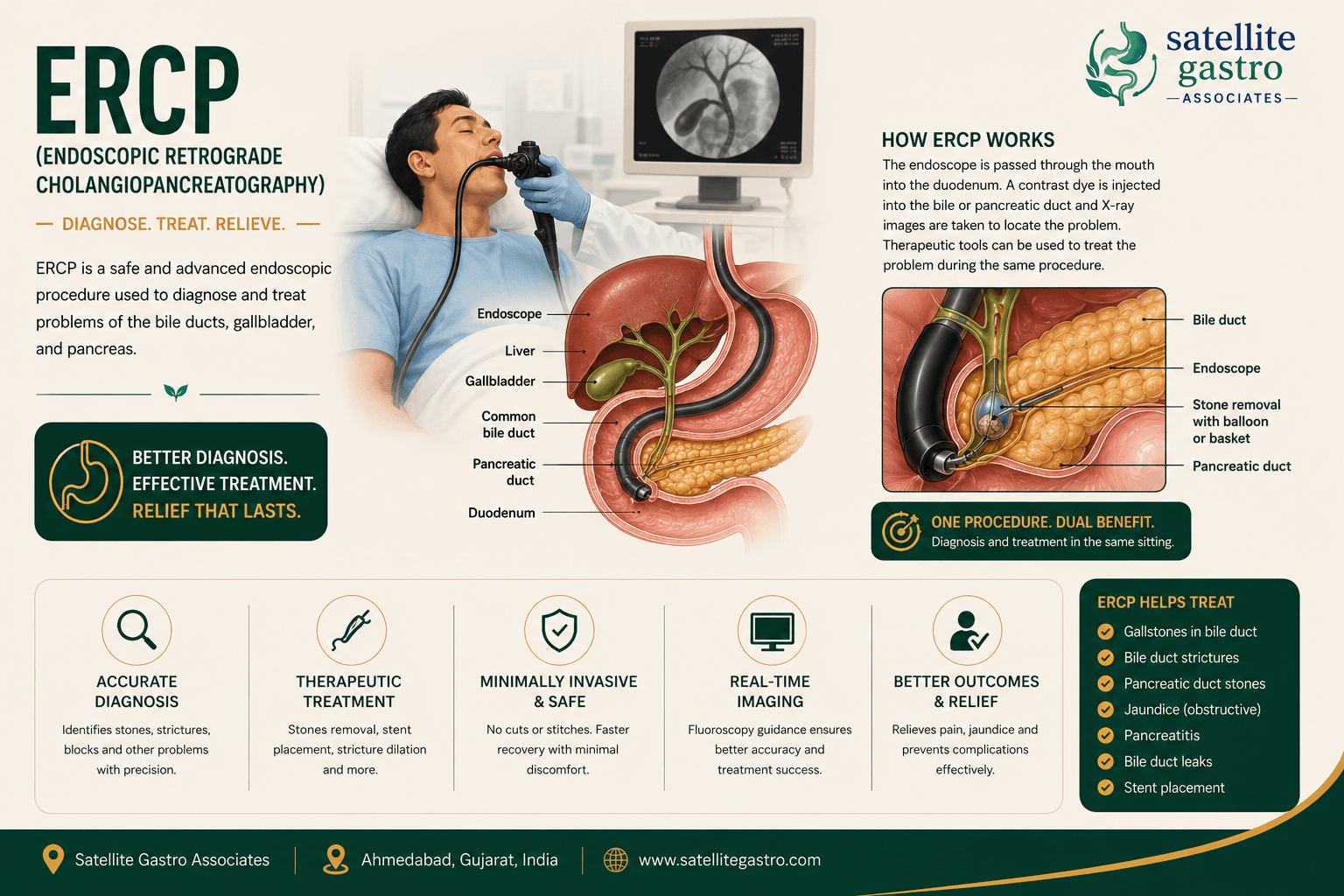
  • Biliary obstruction from tumour or stricture.
  • Duodenal or gastric outlet obstruction.
  • Selected cases of colon obstruction.

How it works

Performed under sedation or general anaesthesia depending on the site.

A guide wire is passed across the obstruction. The stent is then deployed and gradually expands to its full size.

Preparation

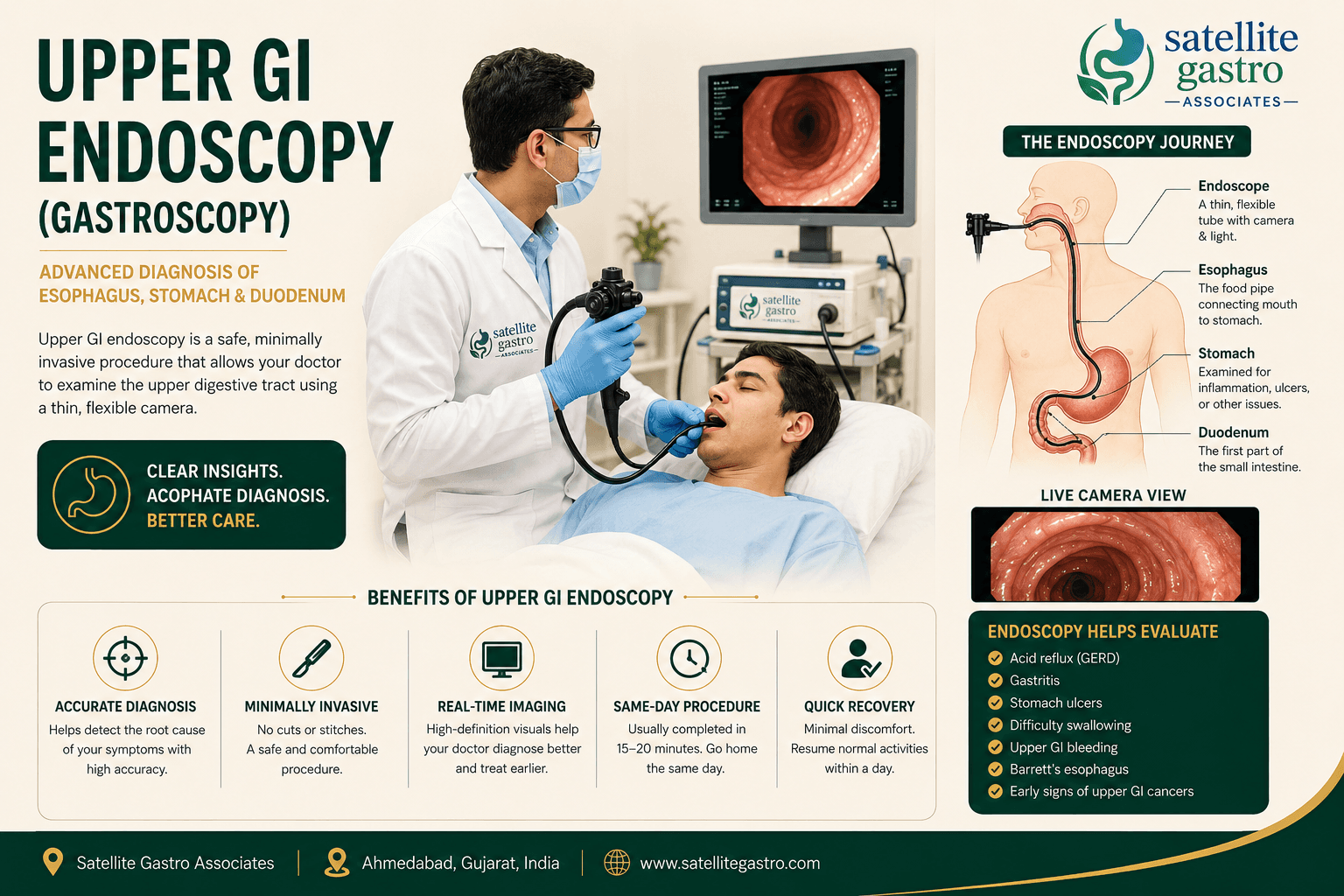
  • Same as endoscopy or ERCP for the relevant site.

Recovery

  • Soft diet for a day or two after oesophageal stenting.
  • Most patients go home the same or the next day.

Risks

Stent migration, blockage, and over-grown tissue at the ends are recognised long-term issues and may require re-intervention.

Common questions

Things patients ask us.

How long does a stent last?

Plastic stents need replacement every 3 months. Metal stents may last a year or longer.